

What Confucius Knew About Where To Live
There's tremendous value in avoiding risks. Why some people sit in the path of violent storms, including human-made ones, while others get themselves to safety

Greetings friends!
It’s easy to focus on the upside when thinking about where to live. As in, “The climate here is fantastic. Always sunny and warm,” or “The technology industry is strong here, and job prospects are good,” or “There are so many restaurants and things to do in our free time!”
These upsides are all valid considerations in anyone’s calculus.
Understanding relevant risks tied to a location is equally valuable. That’s because bad events can lead to materially worse outcomes for individuals, negating the advantages.
In my experience, few people consider all the risks in their daily lives. There are different reasons for this: A bias towards optimism, not wanting to dwell on the negative, insufficient imagination about potential troubles, or inexperience in assessing probabilities.
On the plus side, it’s nice when people are optimistic and focused on what could go well. On the negative side, ignoring what could go wrong doesn’t make troubles go away or make them less likely to occur. It just means people are caught unprepared.
In matters which he does not understand, the wise man will always reserve his judgment. — Confucius
I’ve got some ideas about all this, which I share below. Like Confucius, I’m keeping an open mind because I suspect many factors come into play. What do you think?
Like frogs in boiling water
Here’s a related question: Why do people stay in places that are or have become dangerous? By dangerous, I mean putting one’s life at risk, but also an environment hostile to a person’s fundamental beliefs and economic interests. I’ve always been fascinated by this question for what it reveals about self-interest and basic human survival.
Why did so many Jews in Europe in the 1930s, and especially those in Germany, stay in countries that were openly hostile to them? Would we have recognized the dangers early enough, and would we have felt compelled to move?
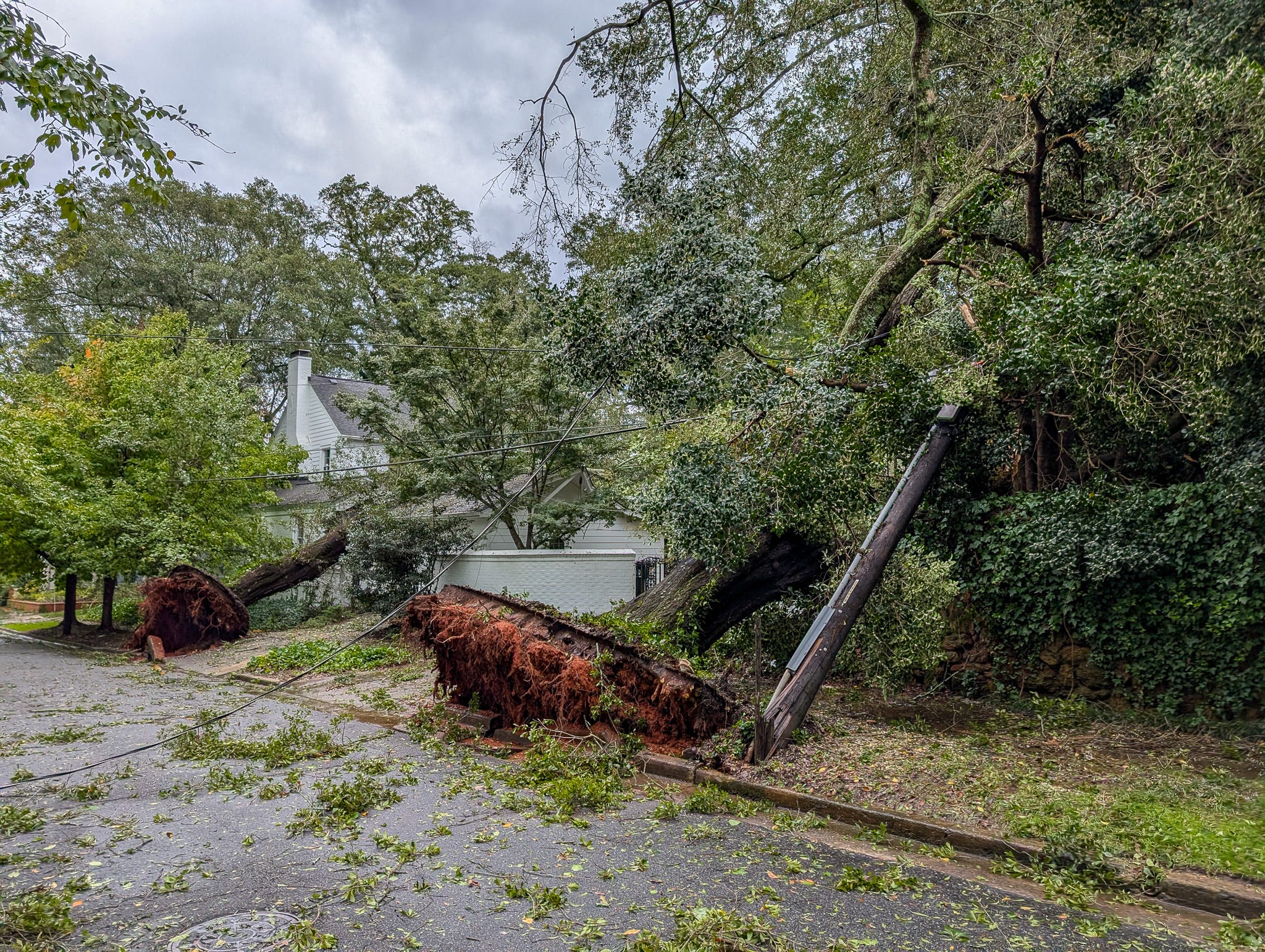
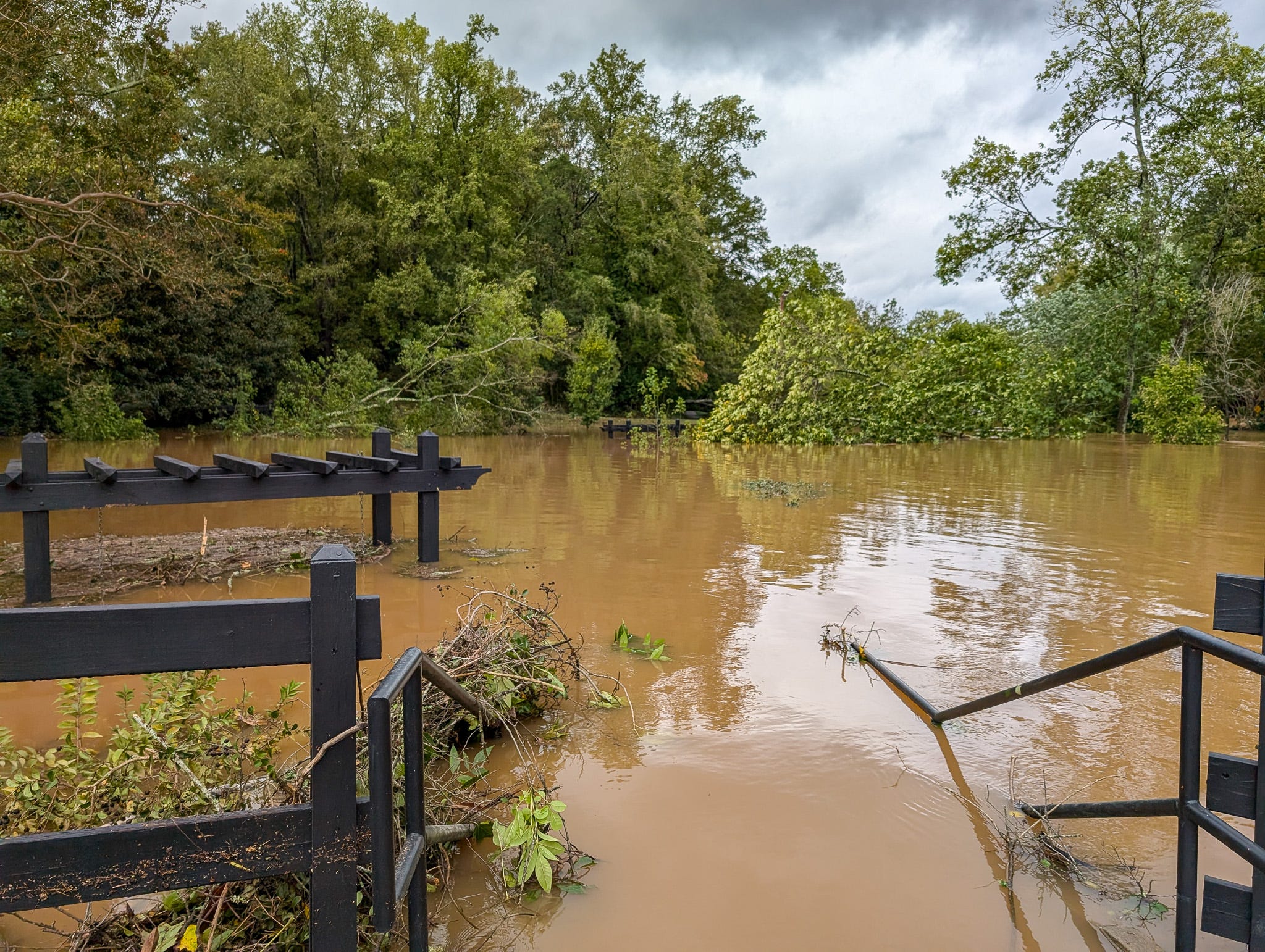
Why do people today live on the slopes of active volcanoes or in the path of regular seasonal hurricanes and typhoons? To say nothing of those who accept the risk of earthquakes, floods, wildfires, tornadoes, and other natural disasters.
What about the citizen who sees socialism supplanting democracy, creeping wealth taxes that target the successful, and policies elevating illegal aliens over Americans?
Enter not the state which is tottering to its fall. Abide not in the state where sedition is rampant. When law obtains in the Empire, let yourself be seen; when lawlessness reigns, retire into obscurity. — Confucius
People find themselves staying put as risks rise for various reasons, including in the following categories:
Rational constraints (financial, legal, informational)
Structural barriers (restrictions on travel, exit taxes, asset confiscation)
Psychological biases (status quo bias, sunk cost fallacy, place attachment, optimism bias)
I’ll discuss each category briefly below. Taken together, they create powerful lock-in effects. I hope that by revealing the glue keeping us stuck to dangerous places, more of us can tear ourselves free in time.
Genuine constraints and structural barriers
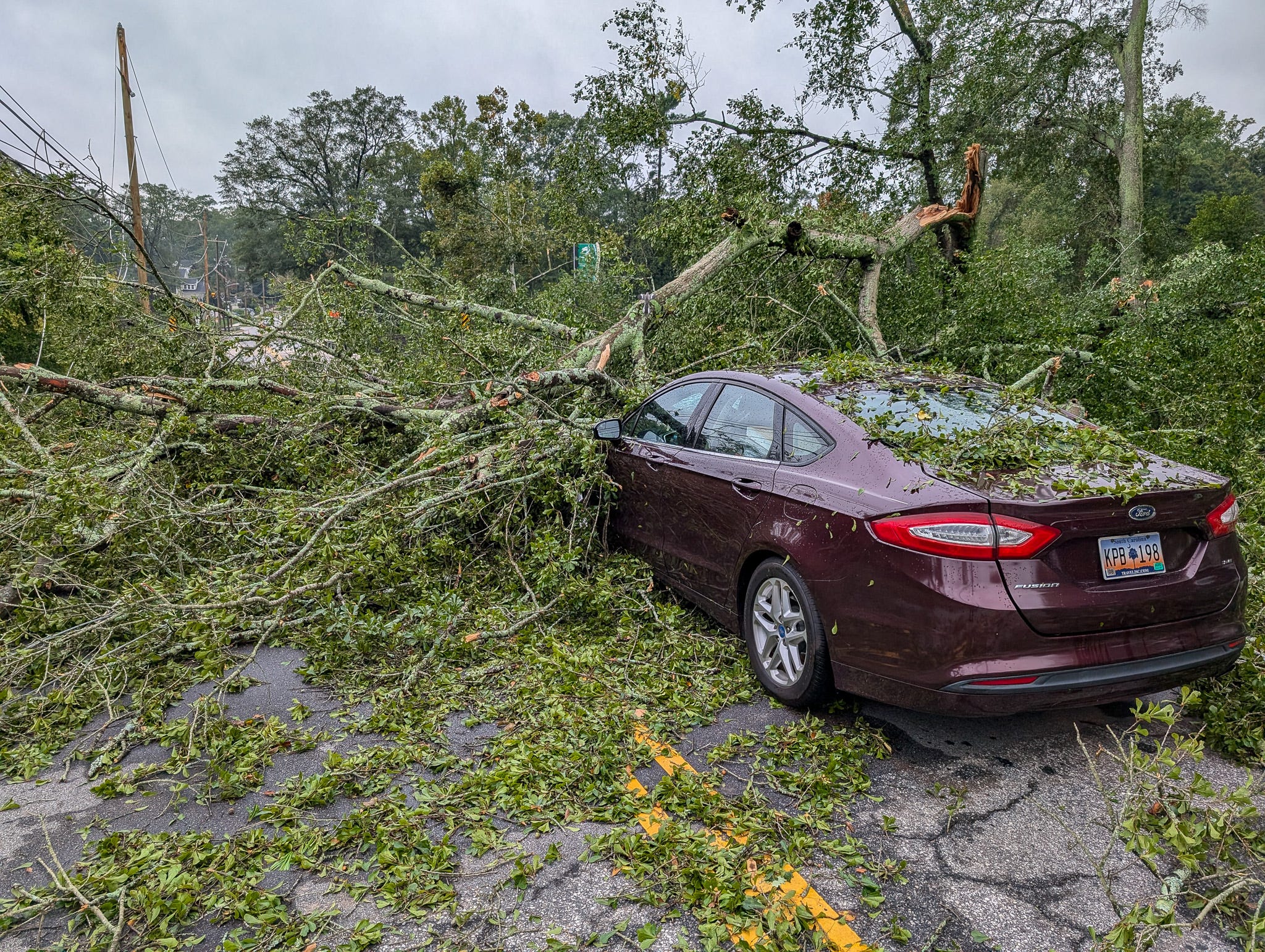
When the risks come from Mother Nature, we feel bound by various constraints. Although a place may be prone to natural disasters, and we may have experienced them firsthand, we justify staying thusly:
We have a well-paying job that we may not replicate elsewhere
Our family and friends are nearby
We have ties to the community
We came through prior disasters with no serious harm
When it’s humans causing the risk, such as the persecution of a disliked group or creeping socialism, we observe an increasing cascade of barriers:
Exit taxes, restrictions on moving assets out of the jurisdiction
Limits on the free movement of people, including by destinations that refugees are fleeing to, lest they become overwhelmed
Professional concerns, for example, with doctors and lawyers unable to practice in another jurisdiction, or only with difficulty
Debanking, online censorship, or discriminatory hiring, promotion, and terminations
Hostile legislatures and administrators pass many laws and regulations, with varying effects, making it difficult to understand the larger picture in a timely way
The discriminatory pattern becomes clear with time. For some, the realization that they belong to a disfavored target group comes too late. Others look at the warning signs and remember their history.
The transition from democratic or mixed-economy systems to communist rule has produced catastrophic loss of life, in most cases vastly exceeding the worst that Mother Nature has done. The Black Book of Communism (1997) lays out the devastating evidence in detail, totting up over 90 million deaths.
California’s proposed ballot initiative (the 2026 Billionaire Tax Act) calls for an unprecedented wealth tax of 5% on California’s billionaires. It would cause obvious financial chaos and lead to similarly unprecedented capital flight.
The average Californian appears not only indifferent to the harm but positively gleeful at the prospect of shafting the elite. Widespread, vitriolic commentary supporting the tax reveals that the wealthy garner no sympathy.
Observe a man’s actions; scrutinize his motives; take note of the things that give him pleasure. How then can he hide from you what he really is? — Confucius
Psychology plays a major role in staying put
We prefer what we are accustomed to. Psychologists call this the status quo bias. Why leave our home and put our social networks, professional standing, and financial security at risk?
We continue to invest in failing endeavors because of prior investment. We call this the sunk cost fallacy. Family history in a place might include an ancestral home or family graves. We have invested time and money in building our business relationships and social lives.
We refer to the emotional bond between a person and a place as place attachment. We develop place attachment strongly if we’ve grown up in a place.
Finally, humans tend to overestimate the likelihood we’ll experience positive outcomes and underestimate our personal risk of negative events relative to statistical peers. This is optimism bias.
While I find optimism bias a lovely feature of humanity, it serves us poorly when dealing with risks. Particularly, we underestimate the likelihood that worst-case scenarios (natural disasters, group persecution, genocide) will occur to us personally. This creates dangerous inaction when we face a series of escalating threats.
What it means for individuals
We’ve experienced 80 years of relative peace and prosperity in the West. There was never any guarantee that this would continue forever. A clear-eyed observer looking at today’s world would note abundant stressors in many countries and in many States within the United States.
You are neither a pessimist nor a doomsayer in noting these trends.
Is he not a sage who neither anticipates deceit nor suspects bad faith in others, yet is prompt to detect them when they appear? — Confucius
My advice to readers is to recall history sagely. The 20th century serves up all the lessons we need to take incipient threats seriously. At a minimum, keep your eyes open and be prompt to detect what’s happening around you.
Moving from a place that’s become hostile is expensive, sure. The only thing more costly might be staying.
Be well.
PS — For the avoidance of doubt, this is NOT a suggestion that any U.S. citizen leave the U.S., or an endorsement of any who have done so. Indeed, I mock such persons here: Ironic Celebrity Blunders. They shall form this week’s abbreviated Imbecile ID.



As a country, the United States remains one of the safest, most prosperous places in the world. The U.S. also supports individual freedoms and the pursuit of one’s dreams more vigorously and successfully than any place I know.
In contrast, there are individual States within the United States that should make their inhabitants skittish indeed.
Hi James....Funny that you should write about this as two storms are headed my way here in Minnesota. One thing for sure is that there are only two seasons here....Winter and the Fourth of July. Winter is more certain than is July 4th...but the snow is always gone by then. I could never understand wanting to live near water. Our family history shows that water is the enemy, even if you don't see it. Like owning property in the desert and having a water heater blow up and leak while away.....like ice dams on a shady side of a dwelling. 'Nuff said....never set up camp downstream from the herd! Confucius did not say that, but it was always on his mind and he kept it a secret from others so the site could be enjoyed. Why do we stay here?.....because it is close to Canada! The PM there reads a lot and understands what he reads. Peace!
James, did you know ahead of time when you took those recent pictures that you'd be writing about the risk of living where you do?
I agree with you that the weather can definitely make you question your stay, but it's becoming more perilous to pick a neutral, peaceful place to abide.
The dysfunction I see in Europe only currently offers a safer alternative to the "stormy" weather back in the US. Not to mention the expense.
Batten down the hatches, huh?
Timely talk, my friend. Thank you.